World Cup 2026: Ghana and Canada ready to shine at the FIFA showpiece
The traditional global heavyweights will dominate headlines and online discussion when the 2026 FIFA World Cup kicks off later this year.
However, experienced observers and savvy punters will also be watching for nations capable of exceeding expectations — including co-hosts Canada. According to sportsbooks listed on comparison site bettingtop10.ca, Canada are priced at 1.50 to reach the round of 32, reflecting growing confidence in their prospects.
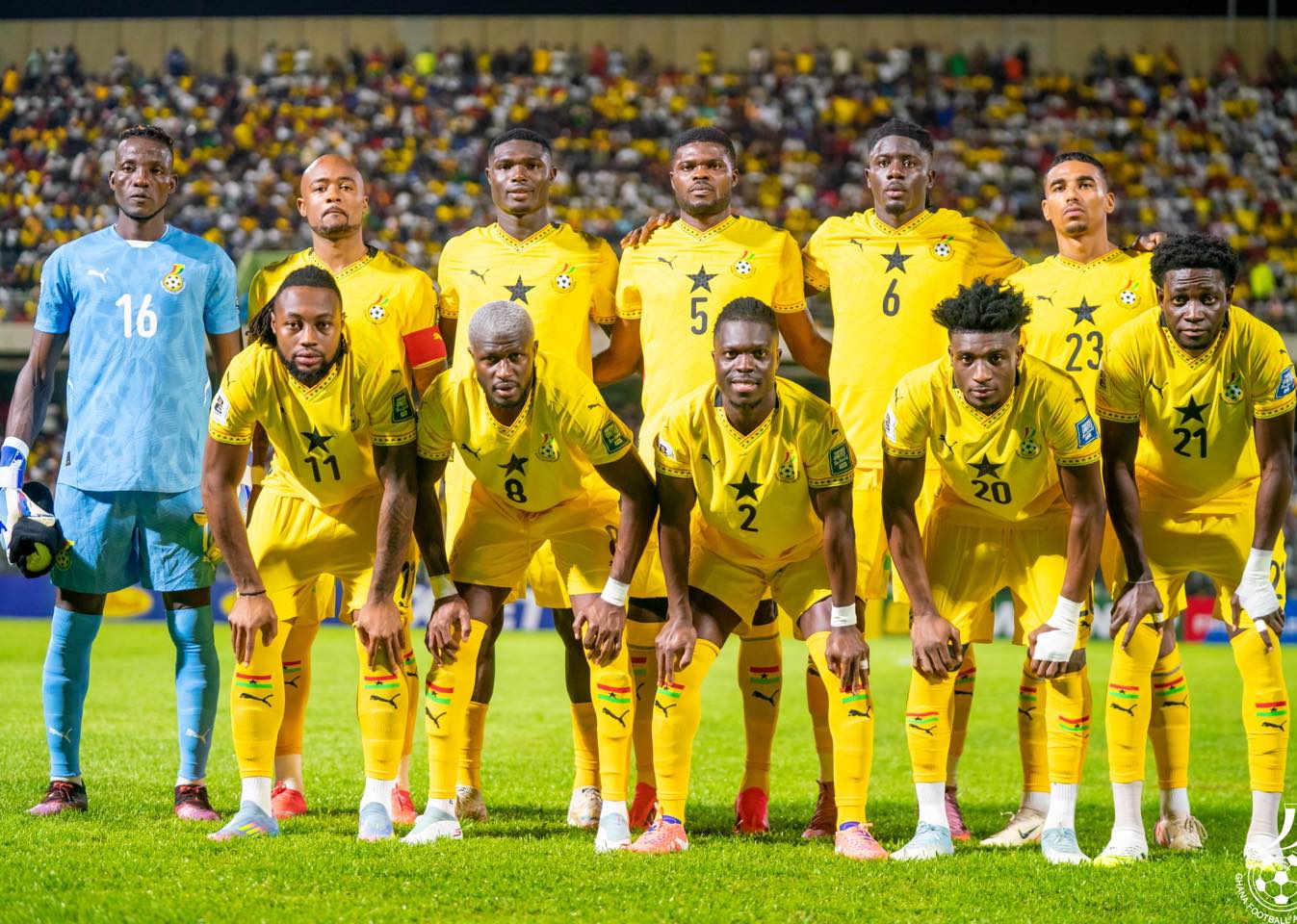
African powerhouse Ghana are another team worth close attention. They head into the tournament with several highly rated English Premier League players, giving them the quality and experience to challenge more established sides.
Norway also have the potential to shake up the competition, especially with prolific striker Erling Braut Haaland eager to make his mark and rewrite goalscoring records on the biggest stage.
Below, we examine why Ghana, Canada and Norway could all outperform expectations at the 2026 World Cup.
Ghana
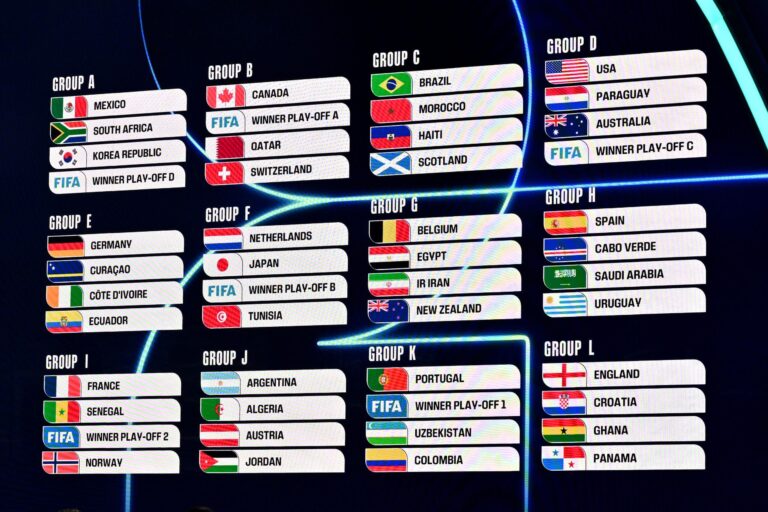
Ghana have been drawn in Group L alongside England, Croatia and Panama, making qualification for the knockout stages a demanding task.
That said, the World Cup has long been a tournament where reputations count for little once the action begins. Unpredictability is part of its magic — and that alone gives Ghana genuine hope.
The Black Stars announced themselves on the world stage in their 2006 World Cup debut, reaching the knockout phase despite being grouped with the Czech Republic and the United States. That memorable run was powered by a golden generation featuring Michael Essien, Asamoah Gyan, Sulley Muntari, Stephen Appiah and Otto Addo.
Ghana went even further in South Africa in 2010, reaching the quarter-finals and becoming just the third African nation at the time to do so. The key question now is whether the current squad possesses the belief and quality to emulate those achievements.
While England, Croatia and Panama may boast more advanced football infrastructure, the globalisation of the sport has narrowed the gap. Many Ghanaian players compete regularly in Europe’s top leagues and are accustomed to facing elite opposition.
That experience makes Ghana a dangerous and resilient opponent — one whose ability to upset the odds should not be underestimated.
Canada
Host nations often find an extra gear at the World Cup, and there is every reason to believe 2026 will follow that trend. The challenge lies in identifying which of the three co-hosts will fully seize the moment.
Mexico and the United States may attract most of the attention, but Canada’s potential should not be overlooked.
This will be only Canada’s third World Cup appearance, following previous campaigns in 1986 and 2022. While their history at the tournament offers limited encouragement, it also presents a clear opportunity for progress.
Canada failed to register a point in the group stage across their first two appearances, but 2026 provides a chance to rewrite that narrative.
Led by standout talents Alphonso Davies and Jonathan David, Canada also boast a supporting cast eager to use the World Cup as a springboard on the global stage.
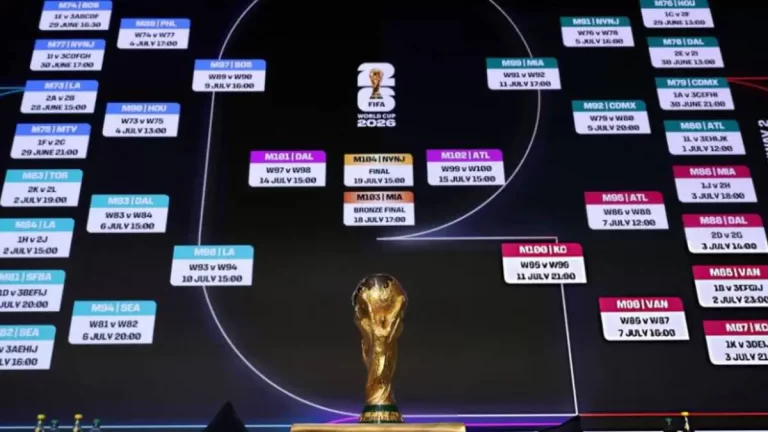
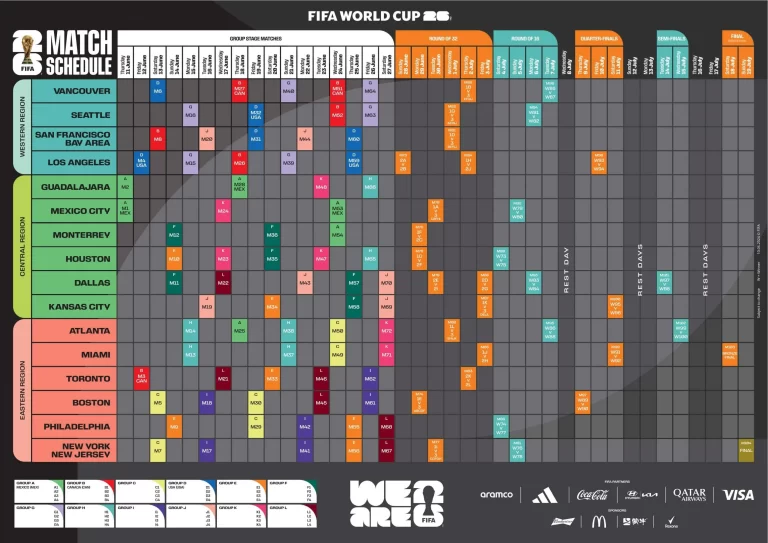
A significant advantage awaits Jesse Marsch’s side, with all three group-stage matches scheduled to be played on home soil. Should Canada finish as Group B winners, they could potentially contest two knockout rounds in Vancouver — a major boost.
Although they scored just twice across their previous two tournaments, Canada’s disappointing showing in Qatar was at odds with their dominant CONCACAF qualifying campaign.
If they harness home support and rediscover their attacking edge, Canada have a genuine opportunity to make history in 2026.
Norway
Norway’s qualification campaign for the 2026 World Cup was among the most impressive in Europe.
Drawn in a group that included four-time world champions Italy, Norway delivered a flawless performance, winning all eight matches and securing qualification in emphatic style.
Their standout moment came in a resounding 4–1 victory over Italy, ending a nearly 30-year absence from the World Cup finals. Under Ståle Solbakken, Norway scored a remarkable 37 goals — more than any other European nation in qualifying.
Unsurprisingly, Erling Haaland was the driving force. The Manchester City striker netted 16 goals, making him the leading scorer across World Cup qualifying worldwide.
Norway arrive in North America with a squad that blends established stars and emerging talents, many of whom are already thriving in Europe’s top leagues.
If injuries can be avoided in the build-up, Norway possess the depth, confidence and firepower to make a deep run — and potentially emerge as one of the tournament’s most exciting stories.